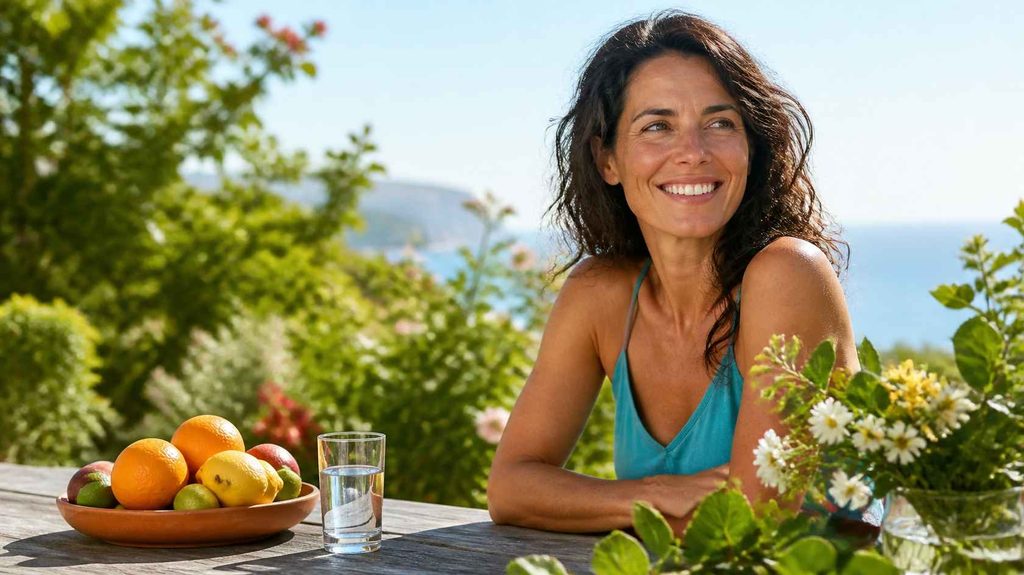
The most effective natural beauty habits have little to do with expensive products. They begin with how you sleep, eat, move, manage stress, and care for yourself.
A healthy-looking appearance is often connected to ordinary habits. Good sleep can leave you looking more rested. Regular movement supports your posture, energy, and mood. A varied diet provides nutrients your body needs. Managing stress can help you feel more relaxed, while simple grooming and clothing choices can bring out your natural features.
This does not mean you need a complicated beauty routine or a complete lifestyle makeover. Small habits practiced consistently can make a noticeable difference in how you look and feel.
Here are seven natural beauty habits that can help you look and feel your best from the inside out.
1. Make Sleep Part of Your Beauty Routine
Sleep is one of the simplest and most overlooked beauty habits.
When you regularly sleep poorly, it can show in your face and in the way you carry yourself. You may look tired, have puffy eyes, or simply lack the energy that makes you appear lively and engaged.
Sleep is also important for overall health and emotional well-being. The CDC recommends that adults get at least seven hours of sleep per night, although individual needs vary with age.
Instead of searching for another beauty product, start by improving your sleep routine.
Try to:
- Go to bed and wake up at roughly the same times each day.
- Keep your bedroom quiet, dark, and comfortably cool.
- Avoid caffeine later in the day if it interferes with your sleep.
- Put electronic devices away at least 30 minutes before bedtime.
- Avoid large meals close to bedtime.
- Give yourself enough time in bed rather than trying to function on too little sleep.
If you regularly have trouble sleeping, speak with a healthcare professional rather than relying on sleep tips alone.
2. Eat Foods That Support Your Whole Body
Healthy-looking skin, hair, nails, and energy levels are not created by one particular food. Your overall eating pattern matters more.
A simple approach is to eat a variety of vegetables and fruits, whole grains, healthy sources of protein, and healthy fats. Harvard’s Healthy Eating Plate recommends making about half the plate vegetables and fruit, with the remainder including whole grains and healthy protein.
You do not need to follow a perfect diet.
For everyday meals, consider foods such as:
- Leafy greens, tomatoes, peppers, carrots, berries, and other colorful produce
- Beans, lentils, eggs, fish, poultry, tofu, and other protein sources
- Oats, brown rice, whole-grain bread, quinoa, and other whole grains
- Nuts and seeds
- Olive oil and other healthy plant oils
- Water, tea, or coffee with little added sugar
Variety is useful because different fruits and vegetables provide different nutrients.
And remember that enjoying food is part of a healthy lifestyle too. There is no need to turn every meal into a test of willpower. A balanced eating pattern that you can maintain is more useful than an extreme diet that lasts for two weeks.
For an easy way to put this into practice, see our guide to Easy Healthy Breakfast Ideas That Take 10 Minutes.
3. Move Your Body Every Day
Exercise is not only about weight or fitness. Regular physical activity can affect how you carry yourself, how energetic you feel, and how comfortable you are in your body.
Walking, swimming, cycling, dancing, gardening, yoga, and strength training all count as movement. The best exercise is often the one you enjoy enough to repeat.
For adults, the World Health Organization recommends at least 150 minutes of moderate physical activity per week, or 75 minutes of vigorous activity, with muscle-strengthening activities on two or more days. It also emphasizes that some activity is better than none.
You do not have to achieve that target immediately.
Start with ordinary opportunities to move:
- Take a walk after lunch or dinner.
- Use the stairs when practical.
- Walk while talking on the phone.
- Stretch after sitting for a long time.
- Dance to a few songs at home.
- Add simple strength exercises to your week.
Movement can also improve posture and body awareness. When you stand taller, walk comfortably, and move with confidence, your appearance changes without buying anything.
4. Manage Stress Before It Takes Over
Stress is part of life, but constantly running on high alert can affect how you feel and how you present yourself.
A tense jaw, tight shoulders, restless sleep, and a tired expression can all make you feel less like yourself. The answer is not to eliminate every source of stress. It is to give your mind regular opportunities to recover.
Simple strategies can include:
- Taking a few slow breaths when you notice tension.
- Going outside for a walk.
- Spending time with people who make you feel good.
- Turning off unnecessary notifications.
- Creating boundaries around work and personal time.
- Writing down worries instead of carrying them around all evening.
- Making time for activities that genuinely relax you.
Even a few minutes can create a useful pause in a busy day.
The goal is not to look perfectly relaxed all the time. It is to build a life in which recovery is a normal part of the week.
5. Choose Clothes, Hair, and Grooming That Suit You
Natural beauty does not mean ignoring your appearance. It means working with what you have instead of constantly trying to become someone else.
Well-fitting clothes can make a bigger difference than expensive labels. A simple outfit that fits properly often looks more polished than an expensive outfit that does not suit your body or personality.
The same applies to hair and grooming.
Choose a haircut that works with your hair rather than fighting against it. Keep your grooming routine as simple or detailed as you prefer. Wear colors and styles that make you feel comfortable and confident.
Most importantly, pay attention to what actually works for you.
You can find more practical ideas in How to Look Great as a Woman: 12 Simple Style and Beauty Tips and How to Look Better as a Man: 12 Simple Style and Grooming Tips.
6. Keep Your Skincare Routine Simple
Good skincare does not have to mean a bathroom full of products.
A simple routine that you follow consistently is usually easier to maintain than a complicated collection of treatments. Basic habits such as gentle cleansing, moisturizing when needed, and protecting your skin from excessive sun exposure can form the foundation of everyday skincare.
Your skin can also change with age, weather, hormones, medications, and other factors. What works for one person may not work for another.
That is why it is better to pay attention to how your own skin responds than to buy every new product that becomes popular online.
For more practical ideas, see Simple Skincare Habits for Healthy-Looking Skin.
7. Create a Weekly Beauty Ritual
Beauty routines do not have to be about correcting flaws. They can simply be a way to slow down and take care of yourself.
Choose one evening or another convenient time each week for a small personal-care ritual.
You might:
- Take a warm bath or shower.
- Apply moisturizer or a face mask.
- Wash and condition your hair.
- Trim and care for your nails.
- Give your feet a gentle massage.
- Put on comfortable clothes.
- Listen to music.
- Read a book.
- Put your phone away for 30 minutes.
The important part is not what you do. It is the attention you give yourself.
A weekly ritual can turn personal care from another task on your list into something you genuinely look forward to.
Beauty Also Comes From How You Treat Yourself
There is another part of natural beauty that is easy to overlook: self-respect.
You can have beautiful clothes, healthy skin, and a carefully arranged hairstyle and still feel uncomfortable in your own appearance if your inner voice is constantly critical.
Try noticing how you talk to yourself.
If you would not say something harsh to a friend, consider whether you need to say it to yourself. You do not have to convince yourself that every feature is perfect. A more realistic goal is to stop treating normal human imperfections as problems that must always be fixed.
Take care of your body because it carries you through your life. Rest when you need rest. Eat food that nourishes you. Move because it feels good to be strong and capable. Groom yourself because you enjoy feeling put together.
That attitude creates a different kind of beauty: one that comes from being comfortable in your own life.
The Inside-Out Beauty Routine
If you want to improve your natural appearance without creating a complicated routine, start with these basics:
Sleep: Aim for enough good-quality sleep and keep a consistent schedule.
Food: Eat a varied diet built around vegetables, fruit, whole grains, healthy proteins, and healthy fats.
Movement: Find physical activities you enjoy and make them part of your normal week.
Stress: Give yourself regular opportunities to slow down and recover.
Grooming: Choose simple hair, clothing, and grooming habits that suit you.
Skincare: Keep your routine practical and consistent rather than chasing every new product.
Self-respect: Treat your body and yourself with the same basic care you would offer someone you love.
You do not need to do everything perfectly. Start with one habit that feels easy enough to maintain, then build from there.
Try This Natural Beauty Plan This Week
Make the idea practical with five small changes:
- Go to bed 30 minutes earlier on three nights.
- Add an extra serving of colorful vegetables or fruit to your day.
- Walk or move for 20 minutes on most days.
- Take two minutes each evening for slow, relaxed breathing.
- Choose one simple grooming or self-care ritual and give it your full attention.
Small habits may not transform your appearance overnight. But repeated over months and years, they can change how you feel, how you carry yourself, and how you care for your body.
That is the real advantage of natural beauty habits: they are not only about looking better. They are about living better.
A Note About Health
This article provides general lifestyle information and is not medical advice. Individual nutritional, sleep, exercise, and skincare needs can vary. If you have a health concern, persistent symptoms, or questions about a specific diet, supplement, exercise program, or skin condition, speak with a qualified healthcare professional.