Good hair days don’t always require expensive products, professional treatments, or a complicated routine. Sometimes, the biggest difference comes from changing a few everyday habits. The way you wash, dry, brush, and style your hair can affect how it looks and feels over time.
Many common hair care mistakes are easy to overlook because they seem harmless. Washing with water that’s too hot, brushing too aggressively, or using heat tools without protection may gradually leave hair looking dull, dry, or difficult to manage.
The good news is that small adjustments can make your routine gentler, simpler, and more effective. Here are some common hair care mistakes you might make every day and what to do instead.
1. Washing Your Hair Too Often
Clean hair feels fresh, but washing it too frequently may leave some hair types feeling dry or stripped of their natural oils. On the other hand, washing too infrequently can allow oil, sweat, and product buildup to accumulate on the scalp.
There is no universal washing schedule that works for everyone. Fine hair and oily scalps may need more frequent washing, while thick, curly, or very dry hair may benefit from less frequent shampooing.
Instead of following a strict rule, pay attention to how your scalp feels and how your hair behaves. Adjust your routine according to your hair type, activity level, and personal needs.
2. Applying Shampoo to the Wrong Areas
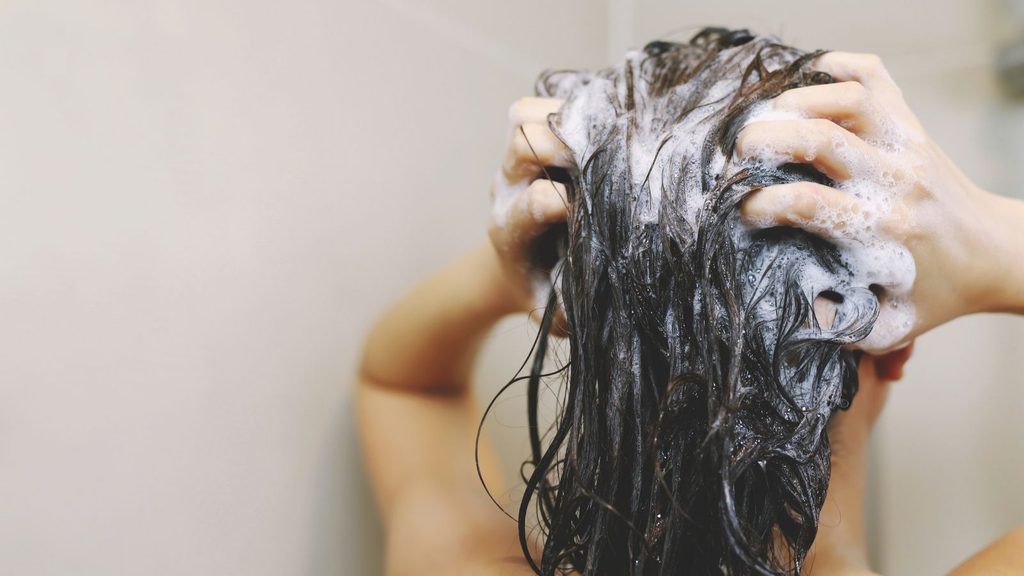
When shampooing, it is easy to concentrate on the lengths of your hair rather than the scalp. However, the scalp is where oil, sweat, and product residue tend to accumulate.
Focus shampoo on the scalp and massage gently with your fingertips. Avoid scratching with your nails or rubbing aggressively, as this can irritate the skin.
As you rinse, the shampoo will run through the lengths of your hair, helping clean them without requiring excessive rubbing. This is particularly useful if your ends tend to feel dry or fragile.
3. Using Water That’s Too Hot
A long, hot shower can be relaxing, but very hot water may leave your scalp feeling dry or irritated and make already-dry hair feel rough.
Try washing your hair with comfortably warm water instead. You do not need an elaborate cold-water rinse to maintain healthy-looking hair; simply avoiding excessive heat is a sensible starting point.
If your scalp often feels tight or uncomfortable after showering, consider whether the water temperature or your hair products could be contributing to the problem.
4. Skipping Conditioner
Some people avoid conditioner because they worry it will make their hair flat or greasy. However, conditioner helps smooth the hair’s surface, improve manageability, and reduce friction when brushing.
The trick is choosing a formula that suits your hair. Fine hair may respond better to a lightweight conditioner, while thick, curly, or dry hair may benefit from a richer product.
For most hair types, apply conditioner mainly to the mid-lengths and ends rather than directly to the scalp, unless the product is specifically designed for scalp use.
If your hair frequently tangles or feels rough after washing, adding the right conditioner may make a noticeable difference.
5. Brushing Too Aggressively
Trying to remove tangles quickly can lead to unnecessary pulling and breakage. This is especially true when hair is wet, because wet strands can be more vulnerable to stretching and damage.
Start by gently separating larger tangles with your fingers. Then use a suitable comb or detangling brush, working from the ends upward in small sections.
Avoid yanking a brush through knots. Taking an extra minute to detangle carefully is often better than repeatedly pulling at the same section of hair.
If your hair tangles easily, a leave-in conditioner or detangling product may also help reduce friction.
6. Rubbing Your Hair With a Towel
After washing, vigorously rubbing your hair with a towel may seem like the fastest way to dry it. However, the friction can roughen the hair’s surface and contribute to frizz or breakage.
Instead, gently squeeze out excess water with your hands and pat your hair using a soft towel. A microfiber towel or a clean, soft cotton T-shirt can be a useful alternative for hair that tends to frizz.
The goal is to absorb moisture without creating unnecessary friction. This small change can be especially helpful for curly, textured, or easily tangled hair.
7. Using Heat Without Protection
Hair dryers, straighteners, and curling irons can help create a polished style, but frequent exposure to high temperatures can damage the hair shaft.
Whenever possible, use a moderate heat setting and avoid repeatedly passing a hot tool over the same section. Let your hair air-dry partially before blow-drying if that works for your routine.
A heat-protectant product can help reduce some styling-related damage when used as directed, although it does not make hair immune to heat.
If your hair feels increasingly brittle or develops split ends, consider reducing how often you use hot tools or experimenting with styles that require less heat.
8. Tying Your Hair Too Tightly
High ponytails, tight buns, and hairstyles that pull continuously on the same areas can place stress on the hair and scalp. Over time, repeated tension may contribute to breakage and, in some cases, traction-related hair loss.
Choose softer hair ties and avoid pulling your hair back so tightly that your scalp feels uncomfortable. Alternating hairstyles can also help prevent repeated tension in the same places.
If you regularly notice soreness around your hairline or broken hairs where you tie your hair, consider loosening your usual style.
9. Using Too Many Products at Once
Serums, oils, masks, sprays, leave-in conditioners, and styling creams can all have a place in a hair care routine. But using too many products together may weigh down your hair or create buildup.
Rather than buying every product that promises shinier or smoother hair, start with the basics: shampoo suited to your scalp, conditioner suited to your hair, and any additional product that serves a clear purpose.
Introduce new products one at a time so you can tell how your hair responds. Remember that a routine does not need to be complicated to be effective.
10. Ignoring Your Scalp
It’s easy to focus entirely on the appearance of your hair and forget about the skin underneath it. However, scalp comfort is an important part of an effective hair care routine.
Pay attention to persistent itching, flaking, redness, or unusual discomfort. These symptoms can have different causes, so adding more styling products or scrubbing harder may not solve the problem.
If symptoms continue, become severe, or are accompanied by noticeable hair loss, seek advice from a qualified healthcare professional or dermatologist.
11. Expecting Instant Results
Hair care products often promise dramatic transformations, but healthy-looking hair usually comes from consistent habits rather than one miracle product.
Conditioner can improve softness and manageability, while styling products can temporarily change the appearance of your hair. However, damaged hair strands cannot be permanently restored to their original condition by a cosmetic product.
Be patient when changing your routine. Give suitable products time to show how well they work, and avoid switching everything at once simply because you have not seen immediate results.
A Better Hair Care Routine Starts With Small Changes
You don’t need to overhaul your entire routine to take better care of your hair. Start by identifying one or two habits that may be working against you. Perhaps you could detangle more gently, lower the temperature of your styling tools, or choose a conditioner that better suits your hair type.
Keep your routine simple, pay attention to your scalp, and remember that different hair types have different needs. What works for one person may not work for another.
Ultimately, good hair care is less about chasing perfection and more about treating your hair consistently and gently. A few thoughtful changes can help make everyday styling easier—and help your hair look its best without unnecessary effort or expense.
A Note About Health
This article provides general hair care and lifestyle information and is not medical advice. Treatment varies by individual skin and hair conditions. If you have persistent symptoms, or questions about a particular ingredient or treatment, consult a qualified healthcare professional or dermatologist.